

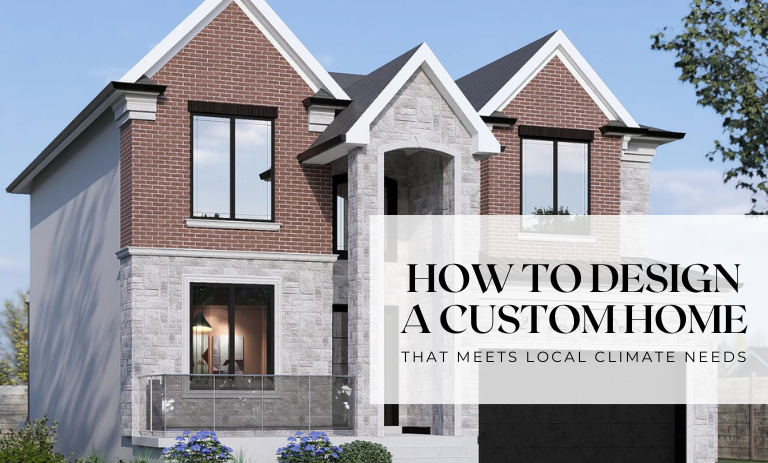
Designing a custom home becomes easier when you understand how local weather shapes comfort, efficiency, and long-term durability. In Canada, conditions shift quickly through the seasons, so your home needs to manage heat, cold, wind, and moisture. A climate-responsive plan keeps your home comfortable without putting extra pressure on your heating and cooling systems. Many homeowners start this process by exploring custom home design services that match the home to its environment.
Why Climate Matters in Custom Home Design
Climate influences decisions about insulation, room placement, materials, and overall energy use. A home that ignores weather patterns often feels too cold in winter or overheats in summer. When climate is part of the early planning stage, the home performs better and ages well.
Understanding Your Local Climate
Before you finalize any plans, take time to understand regional weather trends. Temperature changes, humidity, rainfall, sunlight exposure, and seasonal winds all matter. These details guide choices like window placement, exterior materials, and insulation levels.
How Climate Zones Shape Home Design
Canada includes several climate zones, from cold to very cold, and some regions face high moisture or strong coastal winds. Homes in cooler climates need tighter construction and stronger insulation. Coastal regions need moisture-resistant materials. Areas with heavy snow or wind loads may require reinforced roofs and added structural support.
Choosing the Right Site and Orientation
Your lot affects how well your home performs. A site with strong southern exposure provides natural light and reduces heating demand in winter. A mild slope supports proper drainage. Existing trees can help break the wind and provide shade.
Positioning living areas toward the south works well in most parts of Canada. It captures heat in the winter, while simple shading controls summer warmth.
Wind Protection and Shade Planning
Wind can increase heat loss and affect outdoor comfort. Placing garages or service areas on the wind-facing side helps block harsh gusts. Landscaping with shrubs and trees adds natural protection and makes outdoor spaces more usable.
Building an Efficient Envelope
Your building envelope separates indoor and outdoor environments. Strong insulation levels help maintain steady temperatures. Airtight construction prevents drafts and reduces energy costs. Moisture control is especially important in regions with heavy rainfall or humidity.
Windows and doors also play a major role. Quality glazing and proper sealing improve comfort and support long-term energy savings.
Choosing Climate-Appropriate Materials
Materials must stand up to temperature changes, moisture, and freeze-thaw cycles. Options like brick, fiber-cement, metal roofing, and engineered wood offer reliable durability in Canadian conditions. These materials also reduce long-term maintenance.
Homes in snowy areas may need reinforced roofing systems. High-wind regions benefit from impact-resistant exterior finishes.
Planning Interiors for Climate Comfort
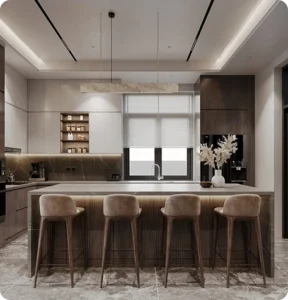 Interior layout can improve year-round comfort. Bedrooms and main living areas placed on the sun-facing side stay naturally warm and bright. Utility areas can be placed on shaded or wind-facing sides. Cross-ventilation helps cool the home naturally in summer and improves indoor air quality.
Regions with humid summers and dry winters benefit from planned ventilation and humidity control.
Using Passive Solar Strategies
Passive solar design reduces reliance on mechanical heating. South-facing windows, proper shading, and heat-retaining materials help stabilize indoor temperatures. These features support long-term efficiency with minimal upkeep.
Adding Renewable Energy Options
Solar panels work well in Canada and often perform better in cooler temperatures. When combined with a well-designed envelope, they can reduce long-term energy expenses.
Working With Expert Designers
Climate-responsive planning requires experience. Teams like Dinh Design help homeowners balance aesthetics with climate needs. They study site orientation, weather conditions, and material performance before finalizing plans. Many people looking for Architecture firms in Mississauga choose partners who understand climate-focused home design.
Cost and Long-Term Benefits
Climate-focused construction can cost a bit more upfront, but it leads to lower energy bills, reduced maintenance, and better day-to-day comfort. Several provinces offer rebates that help offset the cost of efficiency upgrades.
Conclusion
A climate-responsive custom home stays comfortable year-round and uses energy more efficiently. With careful planning, durable materials, and guidance from experienced professionals, you can build a home that performs well in every Canadian season. This approach isn’t optional. It’s essential for long-lasting, dependable home performance.
FAQs
1. Why is climate-responsive home design important?
It improves comfort, reduces energy costs, and helps the home perform well over the long term.
2. What direction should a home face in Canada?
A south-facing orientation captures sunlight and reduces heating needs.
3. Do solar panels work well in cold weather?
Yes. They often operate more efficiently in cooler temperatures.
4. What reduces energy use in a new custom home?
Good insulation, airtight construction, passive solar planning, and effective ventilation.
5. How does Dinh Design support climate-based planning?
They study local climate conditions and create layouts and material strategies tailored to regional weather.
For more ideas and inspiration on modern planning and design, you can also explore this helpful collection of architecture insights.
